Rear Hub vs Front Hub Motor: Placement Trade-offs for Builders
Both wheels can host a hub motor, and the choice changes installation difficulty, handling and how much power the frame can safely absorb. Here is the builder’s view.
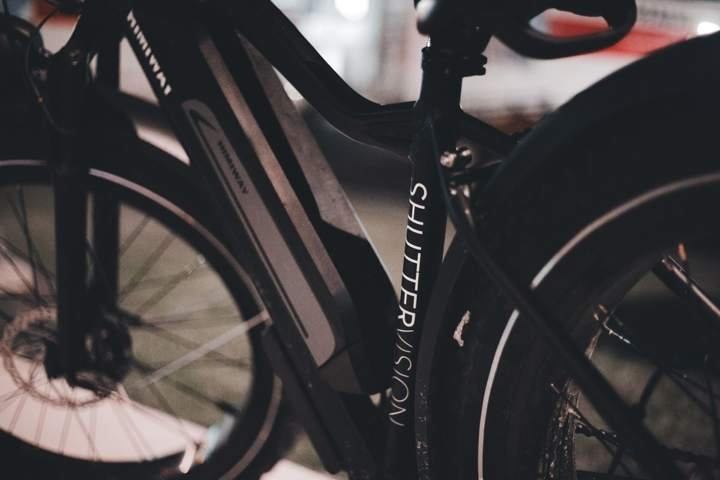
Front Hub Pros and Cons
A front hub is the simplest conversion: no cassette, derailleur or chain complications, and the fork is easy to work on. Downsides are reduced front-wheel traction under hard acceleration and added unsprung weight at the steering end, which can feel twitchy on loose surfaces.
Rear Hub Pros and Cons
A rear hub puts drive weight over the driven wheel, improving traction and a natural ‘pushed from behind’ feel. It integrates with the drivetrain and handles higher torque. The trade-off is a more complex install around the cassette and dropouts, and more stress on the rear triangle.
Traction and Handling
| Criteria | Front hub | Rear hub |
|---|---|---|
| Install difficulty | Easy | Moderate |
| Climbing traction | Lower | Higher |
| Steering feel | Can be light/twitchy | Natural |
| Max practical torque | Lower | Higher |
Installation Effort
For a shop building many units, front hubs speed throughput. For performance and cargo builds, the extra hour on a rear hub pays off in reliability and ride quality. Torque washers and proper dropout support are mandatory either way.
Which Should a Builder Choose?
Choose front for quick, low-power city conversions and rental fleets where uptime matters. Choose rear for anything above ~500 W, for hilly markets, or where the rider cares about feel. For maximum traction on loose terrain, consider an all-wheel-drive (dual hub) setup.
Frequently Asked Questions
Is front or rear better?
Rear is better for power, traction and feel; front is better for simplicity and speed of installation. Match to the build’s purpose and budget.
Can I use both (2WD)?
Yes, dual-hub AWD kits exist and excel on sand, snow and steep climbs by splitting torque across both wheels. They need a compatible dual controller.
Does a front hub affect steering?
It adds unsprung weight to the fork, which can make steering feel lighter or twitchy, especially off-road. Quality forks and correct torque minimize this.