What the Hub Wheel Motor Does in an Electric Motorcycle
Twist the throttle of an electric motorcycle and it moves — instantly, silently, with no gear change and no chain whine. The component making that possible is the hub wheel motor: a complete electric drivetrain packaged inside the hub of the wheel. Understanding what it does and how it works explains much of what riders love about modern electric motorcycles, from the instant acceleration to the near-zero maintenance schedule.
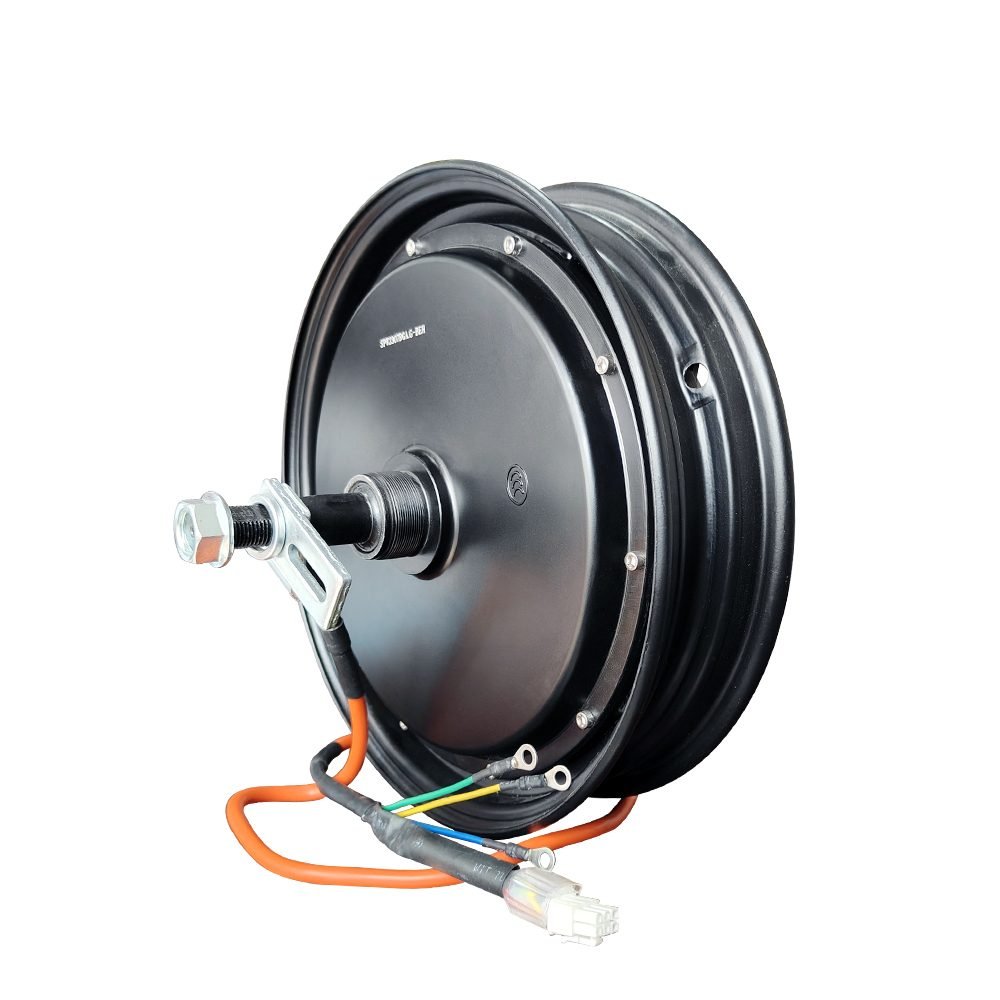
What the hub wheel motor does in the vehicle
The hub wheel motor is the vehicle’s propulsion unit — it converts battery electricity directly into wheel rotation. Because the motor is integrated into the wheel itself, it replaces the entire conventional drivetrain: engine, clutch, gearbox and chain are all eliminated as separate components. Three parts work together:
- Stator — the stationary element, carrying coils of copper wire wound around a core. It is fixed relative to the axle.
- Rotor — attached to the wheel, carrying permanent magnets around its circumference.
- Controller — the system’s brain, regulating the electric current sent to the motor based on throttle input.
When the rider twists the throttle, the controller feeds current through the stator coils, generating a magnetic field. That field pushes against the rotor’s permanent magnets, spinning the rotor — and the wheel bolted to it. By varying the current, the controller varies speed and torque with millisecond precision, which is why the power delivery feels so immediate and linear.
With so few moving parts, there is simply less to fail: no gears to shift, no clutch to burn, no chain to lubricate or replace. That simplicity is a direct consequence of the architecture — the motor is the wheel.
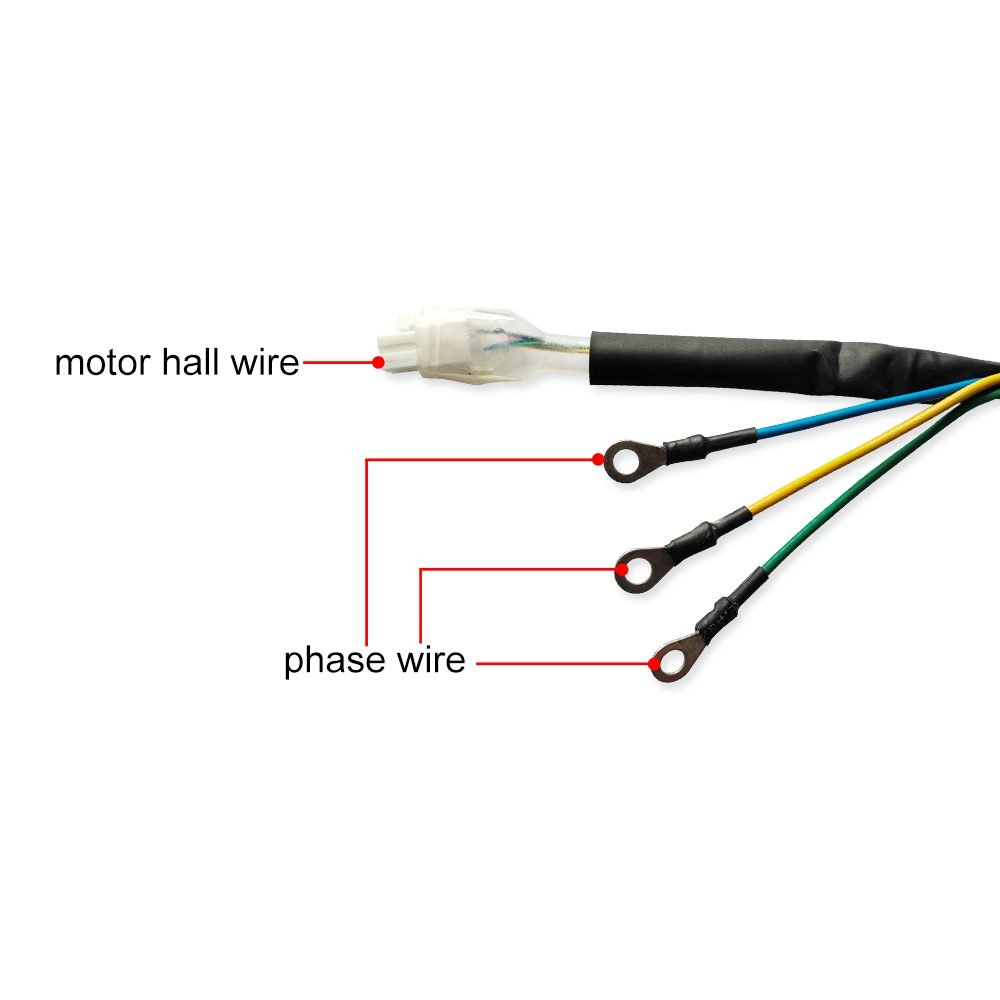
The benefits riders and builders actually feel
Compact, lightweight design. Moving the motor into the wheel frees the frame entirely. Motorcycles come out lighter, with mass distributed low and at the extremes of the wheelbase — which improves handling, lowers the centre of gravity and makes the bike nimble in traffic and stable in corners.
High efficiency. Direct drive eliminates the transmission losses of gears and chains, so more of every amp-hour in the battery becomes kilometres on the road. The result is longer range per charge — the practical difference between a weekend toy and genuine daily transport.
Smooth, quiet operation. No combustion noise, no gear mesh, no chain slap. The ride is serene, vibration-free and far kinder to riders and everyone around them.
Instant torque. Electric motors deliver their full force from zero rpm. Merging into traffic or pulling up a steep incline happens without hesitation, giving the bike an urgency combustion motorcycles reserve for their narrow power band.
Choosing a hub wheel motor
Because the motor must fit inside a wheel and dissipate its own heat, honest continuous ratings matter more than headline peak numbers. Match the motor to vehicle weight, target speed and terrain, and pair it with a controller rated above the motor’s continuous current. Our electric motorcycle hub motors cover the higher-power end, while lighter vehicles are served by the moped and scooter range; complete matched conversion kits take the guesswork out of controller pairing.
Compact, simple, efficient and thrilling to ride, the hub wheel motor has earned its place as the drivetrain of choice for electric two-wheelers. Browse the full hub motor catalogue to compare specifications, or contact the factory for a recommendation matched to your vehicle.